Tuesday, 8 November 2016

Different types of Haka
Haka Peruperu- Haka Peruperu is a war dance that would be performed with weapons by warriors in the face of the enemy. These were performed to inspire the warriors to make great acts of strength and bravery, and also put fear in the hearts of the enemy.
Haka Puha- This haka is similar to a Haka Peruperu, This haka is used to signal family to prepare to protect their Pa and homes.
Haka Ngeri- Haka ngeri was performed with out any weapons and was used to empower and make a group think of achieving their goal.
Haka Taparahi- Haka Taparahi is a well known type of haka in the east coast, This haka was taught to the young men of the east coast villages. They would refer to the stance as a strong and solid home, the facial and body language would show what is in your wairua and the hands and face would tell the story. We cant see what it is but the combination of the actions that are performed reveal the real story.

Maori Warfare
The war party was called a taua involved a very large amount of toa, rangatira, and tohunga, All these warriors would usually travel to battle in a waka taua.
Maori warfare would break out in between the villages for a number of reasons, these would include a fight for land, Mana of the tribe, food and resources, and utu towards the other tribe. The victors would take prisoners of the defeated tribes people, They would go to their villages and enslave their women and children.
But at the end of all conflict, it was always important for both villages to make peace. After a very long sequence of battle and war, the Moriori tribe from the Chatham Islands declared a end to war and did have a very long period of peace.


Monday, 31 October 2016
Maori Pa Site
A Maori Pa could refer to many things, such as a Maori village, defensive fort, or a hill fort. Most Pa that have been found are mostly located in the north island, And over 5000 sites have been found.
A Maori pa could refer to many things, such as a Maori village, defensive fort, or a hill fort. Most Maori Pa sites that have been found are mostly located in the North Island, and over 5000 Maori Pa sites have been found.
Maori would find unique ways to use the resources of the Earth, like the way that they used flax leaves and wove them together as a screen at the entrance to hide them from the bullets of the muskets.
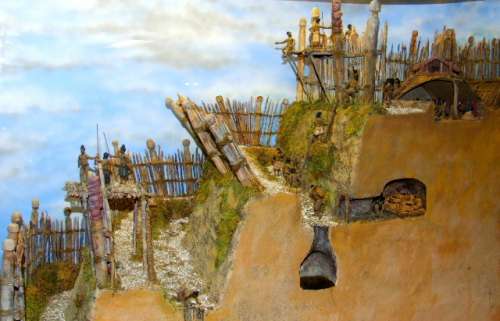
A Maori pa could refer to many things, such as a Maori village, defensive fort, or a hill fort. Most Maori Pa sites that have been found are mostly located in the North Island, and over 5000 Maori Pa sites have been found.
Maori would find unique ways to use the resources of the Earth, like the way that they used flax leaves and wove them together as a screen at the entrance to hide them from the bullets of the muskets.Wednesday, 26 October 2016
Tangihanga
The traditional Maori Tangihanga is used by the Maori by the Maori to mourn the death of a relative, this ceremony protocol has changed very little over time. The tupapaku is taken care of by an undertaker. It is said that the reason behind the death of humans is Maui attempted to crawl through hine nui te po trying to end death to all human, but unfortunately failed.
The whanau pani were expected to stay with the Tupapaku, the whanau pani would grieve in different ways such as haehae by making deep cuts with shells or obsidian on the arms and legs, or taking their own life by whakamomori. For the whanau pani, Whakamomori was an acceptable way to express their grief, it was often of the pouaru to take her life.

Powhiri
The Powhiri is the welcoming ceremony used by the Tangata Whenua to greet the Manuhiri. Just before the Manuhiri enter, the elder of the Manuhiri will often say a protective karakia, they organize their kaikaranga, their kaikorero and the koha that they would collect to hand over to the Tangata Whenua.
The Tangata Whenua, the host to the Manuhiri, and when they are hosting the Manuhiri, the Manuhiri are not supposed to visit with any gifts or any food for the haukai. The Tangata Whenua will start their welcoming protocol until the Manuhiri is prepared, Both side say a Karakia before entering to ensure the safety of everyone involved.
A challenge of the Tangata Whenua will begin when an important leader of the Manuhiri enters, They will be standing in a diamond like formation in case of the Tangata Whenua attacking in order to protect the women and children. Tangata Whenua will choose a warrior to perform the wero and place down the koha in front of the Manuhiri. The challenger will return to his people as the Manuhiri take the koha.
The kuia or kaikaranga of the Tangata Whenua will karanga to the Manuhiri, This is the sign to the Manuhiri to move forward onto the Marae. As they are on the Marae it becomes a state of Tapu.
The Kuia and wahine lead the Manuhiri, and the chosen Kuia or kaikaranga will karanga back to the Tangata Whenau.
The Tangata Whenua perform a haka Powhirir and the Karanga will continue as the Manuhiri pass the marae atea. The Manuhiri will pause in front of the whare nui in order to remember the dead.
Speeches will begin with the Rangatira of the Marae. The last kaikorero for the Manuhiri gives the koha to the Tangata Whenua, The Tangata Whenua will always have the last say so the Mauri and Mana of the Marae will stay with them.
After the whaikorero is done the Manuhiri and Tangata Whenua greet each other with a hongi and ruru.
The Manuhiri are now one with the Tangata Whenua and it is time to go to the wharekai for the hakari, and now everyone is now in a state of noa.
The Tangata Whenua, the host to the Manuhiri, and when they are hosting the Manuhiri, the Manuhiri are not supposed to visit with any gifts or any food for the haukai. The Tangata Whenua will start their welcoming protocol until the Manuhiri is prepared, Both side say a Karakia before entering to ensure the safety of everyone involved.
A challenge of the Tangata Whenua will begin when an important leader of the Manuhiri enters, They will be standing in a diamond like formation in case of the Tangata Whenua attacking in order to protect the women and children. Tangata Whenua will choose a warrior to perform the wero and place down the koha in front of the Manuhiri. The challenger will return to his people as the Manuhiri take the koha.
The kuia or kaikaranga of the Tangata Whenua will karanga to the Manuhiri, This is the sign to the Manuhiri to move forward onto the Marae. As they are on the Marae it becomes a state of Tapu.
The Kuia and wahine lead the Manuhiri, and the chosen Kuia or kaikaranga will karanga back to the Tangata Whenau.
The Tangata Whenua perform a haka Powhirir and the Karanga will continue as the Manuhiri pass the marae atea. The Manuhiri will pause in front of the whare nui in order to remember the dead.
Speeches will begin with the Rangatira of the Marae. The last kaikorero for the Manuhiri gives the koha to the Tangata Whenua, The Tangata Whenua will always have the last say so the Mauri and Mana of the Marae will stay with them.
After the whaikorero is done the Manuhiri and Tangata Whenua greet each other with a hongi and ruru.
The Manuhiri are now one with the Tangata Whenua and it is time to go to the wharekai for the hakari, and now everyone is now in a state of noa.
Tuesday, 18 October 2016


Wednesday, 12 October 2016
Maori Tuhituhi
Subscribe to:
Comments (Atom)